How can food manufacturers develop plant-based popping boba with a desirable bite, consistent texture, and improved storage stability? The answer lies not simply in increasing hydrocolloid concentration, but in designing the right formulation and optimizing the interaction between functional ingredients.
As plant-based beverages, fruit drinks, and innovative gel-based products continue to expand, popping boba manufacturers face growing demands for attractive appearance, consistent mouthfeel, structural integrity, and reliable performance throughout processing and storage.
Konjac gum and xanthan gum offer complementary functional properties that can support these formulation goals. When selected and applied appropriately, they can help formulators optimize texture, water management, and processing performance in plant-based popping boba.
This article explores their individual functions, key formulation considerations, and practical strategies for developing a more consistent hydrocolloid system.
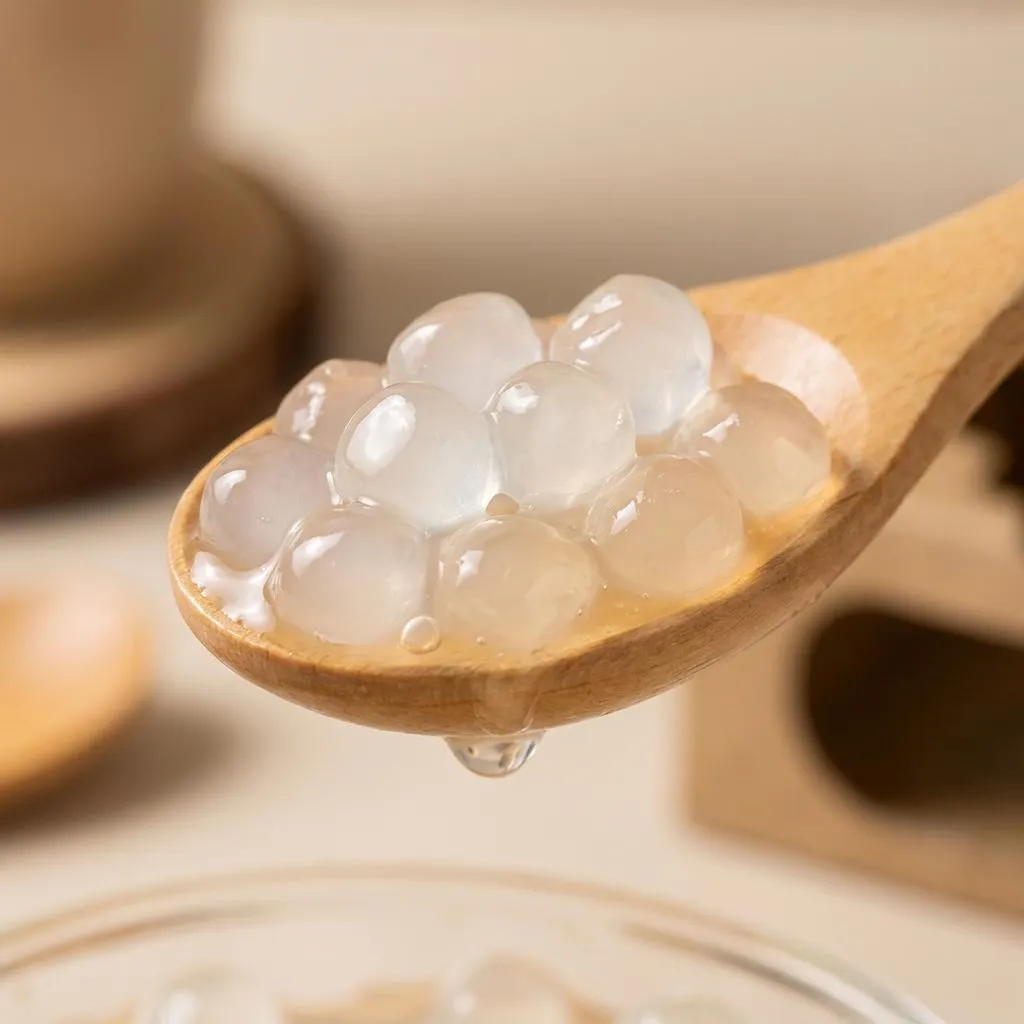
1. Key Formulation Challenges in Plant-Based Popping Boba
Popping boba production requires careful control of texture and structure. Depending on the product design and manufacturing process, common challenges include:
Insufficient elasticity: The product may feel too soft or lack the desired bite.
Poor structural integrity: Pearls may deform, crack, or lose their shape during handling.
Water separation: Excess free water may affect the surrounding liquid and product appearance.
Inconsistent texture: Variations in ingredient dispersion, processing, or gel formation can lead to differences between batches.
Storage-related changes: Texture and water distribution may change during refrigerated storage or transportation.
These challenges are interconnected. Increasing firmness alone, for example, may produce an excessively tough texture, while increasing viscosity does not necessarily improve gel strength.
A successful formulation must balance texture, water retention, structural stability, and processability.
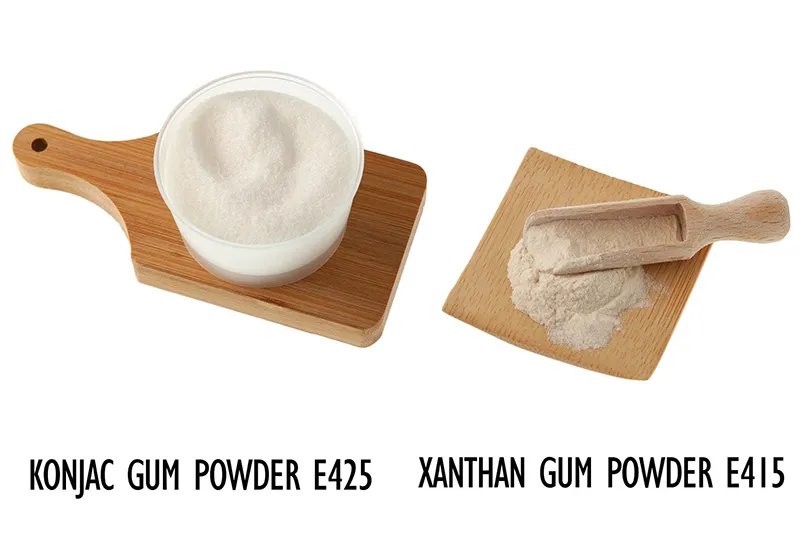
2. Understanding the Functional Roles of Konjac Gum and Xanthan Gum
Konjac Gum: Supporting Texture and Water Management
Konjac gum, also known as konjac glucomannan, is a hydrocolloid widely used in food formulations for its thickening, water-binding, and texture-modifying properties.
Its functional advantages include:
Texture development: Contributes to body, cohesiveness, and a desirable bite, depending on the formulation.
Water binding: Helps manage water distribution and may reduce free-water separation under suitable conditions.
Gel-system functionality: Can participate in gel formation or modify the properties of other gelling systems, depending on processing conditions and the presence of other ingredients.
Konjac glucomannan can form stronger gel structures under specific conditions, particularly with appropriate alkaline treatment and heating. Its behavior should therefore be evaluated in relation to the intended product process.
For popping boba applications, the objective is to achieve the required texture without compromising flexibility, eating quality, or production efficiency.
Xanthan Gum: Controlling Viscosity and Rheological Stability
Xanthan gum is a microbial polysaccharide known for its strong thickening capacity, pseudoplastic flow behavior, and stability across a broad range of processing conditions.
In popping boba formulations, it may contribute to:
Viscosity control: Adjusts the flow behavior of the formulation and supports consistent processing.
Suspension stability: Helps maintain a more uniform distribution of ingredients in suitable liquid systems.
Water-phase management: Influences the movement and distribution of water within the formulation.
Processing consistency: Helps control rheological behavior during mixing, filling, or other relevant production steps.
However, xanthan gum is not, by itself, a universal gel-forming agent for firm popping boba. Excessive addition may increase viscosity, create an undesirable mouthfeel, or complicate mixing and forming.
The key is to use xanthan gum at a level that supports the required functional performance without undermining the target texture.
3. Why Optimize the Konjac Gum–Xanthan Gum Ratio?
Combining hydrocolloids is a common strategy in food formulation because different ingredients can contribute different functional properties. Nevertheless, a successful combination must be validated in the actual product system.
Konjac gum primarily contributes water binding and texture modification, while xanthan gum is particularly useful for viscosity and rheology control. Their combined use may help formulators balance these properties more effectively than an unsuitable single-hydrocolloid approach.
Potential formulation benefits include:
More controlled texture
Adjusting the konjac gum level may help achieve the desired body, cohesiveness, and bite. Xanthan gum can then be optimized to provide suitable viscosity and processing behavior.
Improved water management
A properly designed hydrocolloid system may help reduce unwanted free-water separation. Actual performance depends on the formulation, gel structure, and storage conditions.
Better processing consistency
Controlling hydration, viscosity, and ingredient dispersion can help reduce formulation variability and support more consistent production.
Greater formulation flexibility
Ratio optimization allows manufacturers to explore different texture profiles for different applications, from softer pearls to products requiring greater structural integrity.
Important technical consideration: Konjac gum and xanthan gum should not automatically be treated as a synergistic gelling pair. The extent of their interaction depends on the specific grades, concentrations, temperature, pH, and other ingredients. If a strong, elastic gel membrane or a specific popping-boba structure is required, the complete gel-forming system must also be considered.
4. How to Optimize the Konjac Gum–Xanthan Gum Ratio
Rather than relying on a fixed ratio, manufacturers should establish a structured formulation screening process.
Step 1: Define the Target Texture
Determine the required hardness, elasticity, cohesiveness, and bite based on the intended product.
For example, a beverage topping designed for a soft, pleasant chew may require a different formulation from a pearl intended to maintain a firmer structure during handling and storage.
Step 2: Screen Different Blend Ratios
Prepare a series of formulations using different konjac gum–xanthan gum ratios while keeping the total hydrocolloid concentration constant during the initial screening stage.
This approach helps isolate the effect of blend ratio. Once a promising ratio is identified, optimize the total addition level separately.
The appropriate test range should be established according to the selected hydrocolloid grades, manufacturing process, and preliminary trials rather than assuming a universal optimum.
Step 3: Optimize Hydration and Processing
Hydrocolloid performance depends not only on ingredient ratios but also on how the ingredients are incorporated.
Evaluate key variables such as:
Powder dispersion and mixing sequence
Hydration time and temperature
Total solids and water content
pH and the presence of salts or other functional ingredients
Heating, cooling, and gel-forming conditions
Adequate dispersion is particularly important because poorly hydrated powders or agglomerates can cause uneven texture and inconsistent results.
Step 4: Evaluate Texture and Stability
Use objective testing alongside sensory evaluation to identify the most suitable formulation.
|
Evaluation parameter |
Purpose |
|
Hardness and elasticity |
Assess bite and texture balance |
|
Cohesiveness |
Evaluate structural integrity during chewing and handling |
|
Syneresis or free-water separation |
Assess water retention and visible liquid release |
|
Shape retention |
Determine resistance to deformation |
|
Processing performance |
Evaluate mixing, forming, and production consistency |
|
Storage stability |
Monitor changes in texture, appearance, and water distribution |
For products intended for refrigerated storage, repeat the relevant tests over the intended storage period. For other products, use the actual temperature and distribution conditions expected in the supply chain.
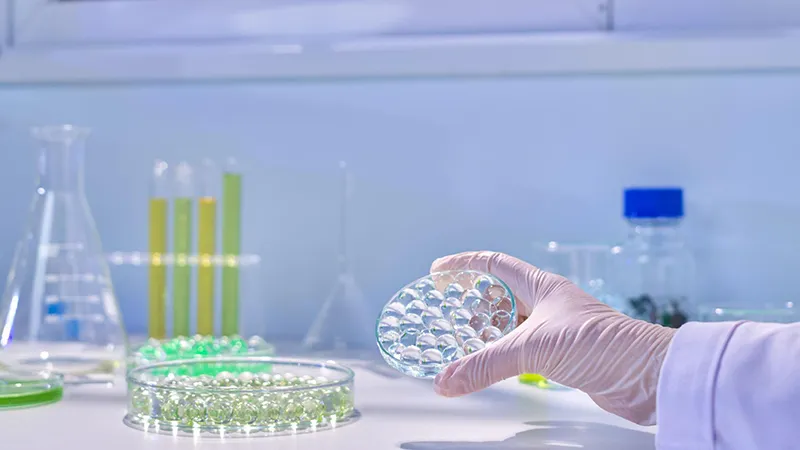
5. Common Formulation Mistakes to Avoid
Mistake 1: Increasing hydrocolloid concentration without evaluating texture
More gum does not necessarily mean better performance. Excessive concentration can result in an overly thick, sticky, or tough product.
Mistake 2: Optimizing viscosity instead of the complete texture profile
Viscosity is only one parameter. Popping boba also requires appropriate structural integrity, mouthfeel, and stability.
Mistake 3: Assuming the same ratio works across all formulations
Different konjac gum grades, xanthan gum grades, sugars, salts, acids, and other ingredients can change the final result. The optimum ratio must be established experimentally.
Mistake 4: Evaluating only freshly prepared samples
Initial texture may not accurately predict performance during storage. Changes in water distribution, gel structure, and product appearance should also be assessed.
6. Developing a More Reliable Hydrocolloid Solution
For manufacturers developing plant-based popping boba, the objective is not simply to combine two gums. It is to build a hydrocolloid system that meets defined product specifications while remaining compatible with the manufacturing process.
A systematic approach should include:
Selecting appropriate hydrocolloid grades for the intended application.
Establishing a suitable konjac gum–xanthan gum ratio through controlled trials.
Optimizing hydration and processing conditions.
Evaluating texture, water separation, and storage performance together.
Validating the complete formulation under actual production conditions.
Depending on the required product structure, additional gelling agents or process adjustments may be necessary. The final formulation should be designed around the desired eating experience and the technical requirements of the finished product.
Conclusion: Better Texture Starts with Smarter Formulation
Konjac gum and xanthan gum offer complementary functional properties for plant-based popping boba development. Konjac gum can contribute to texture and water management, while xanthan gum provides effective viscosity and rheology control.
The key to a successful formulation is finding the right balance—not simply adding more hydrocolloid.
Through systematic ratio screening, appropriate processing control, and objective stability testing, food manufacturers can develop formulations better aligned with their target texture, production requirements, and storage conditions.
Looking for hydrocolloid ingredients for plant-based popping boba or other gel-based food applications? Contact us to discuss your formulation requirements and explore suitable ingredient solutions for your product development needs.
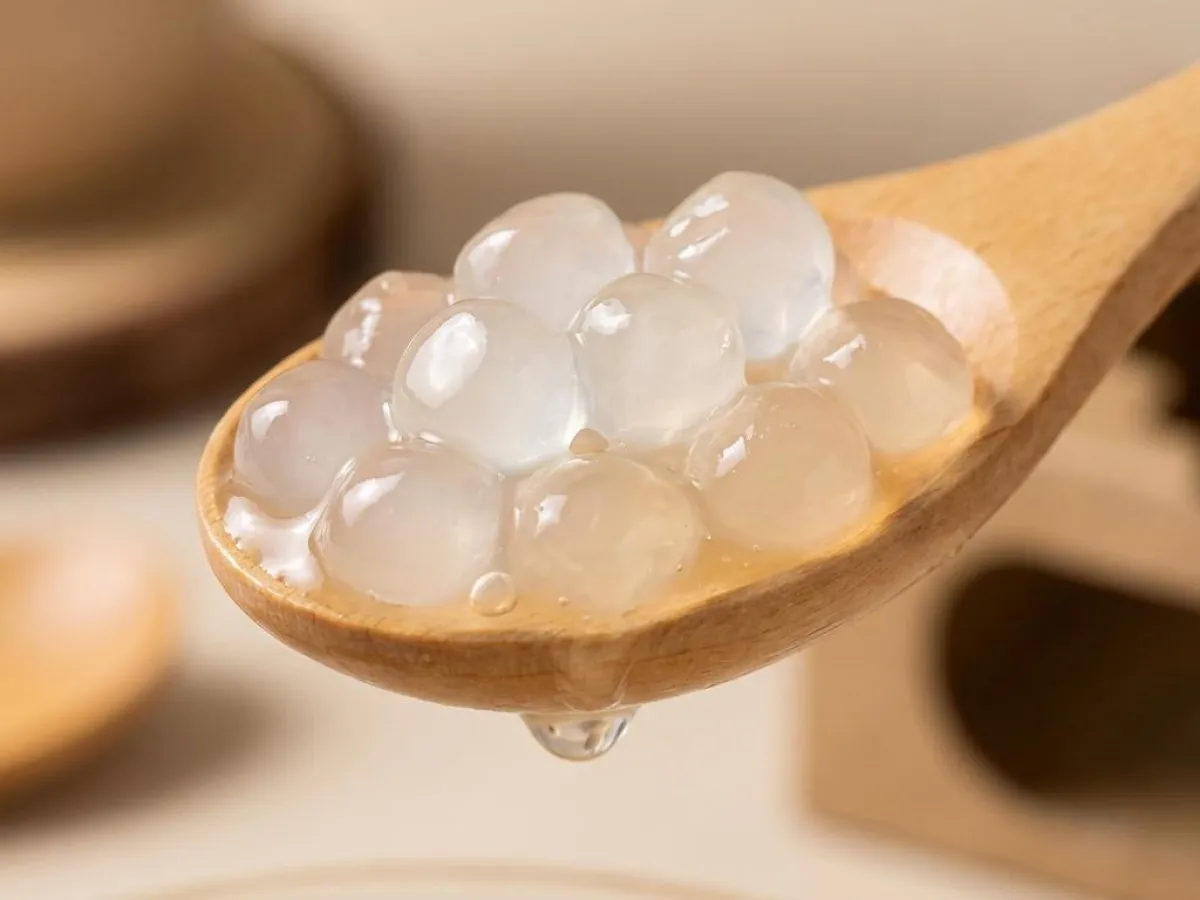
As plant-based beverages, fruit drinks, and innovative gel-based products continue to expand, popping boba manufacturers face growing demands for attractive appearance, consistent

The global artificial casings market was valued at $4.95 billion in 2024 and is projected to reach $8.6 billion by 2035, growing at a CAGR of 5.1%—outpacing the overall sausage cas
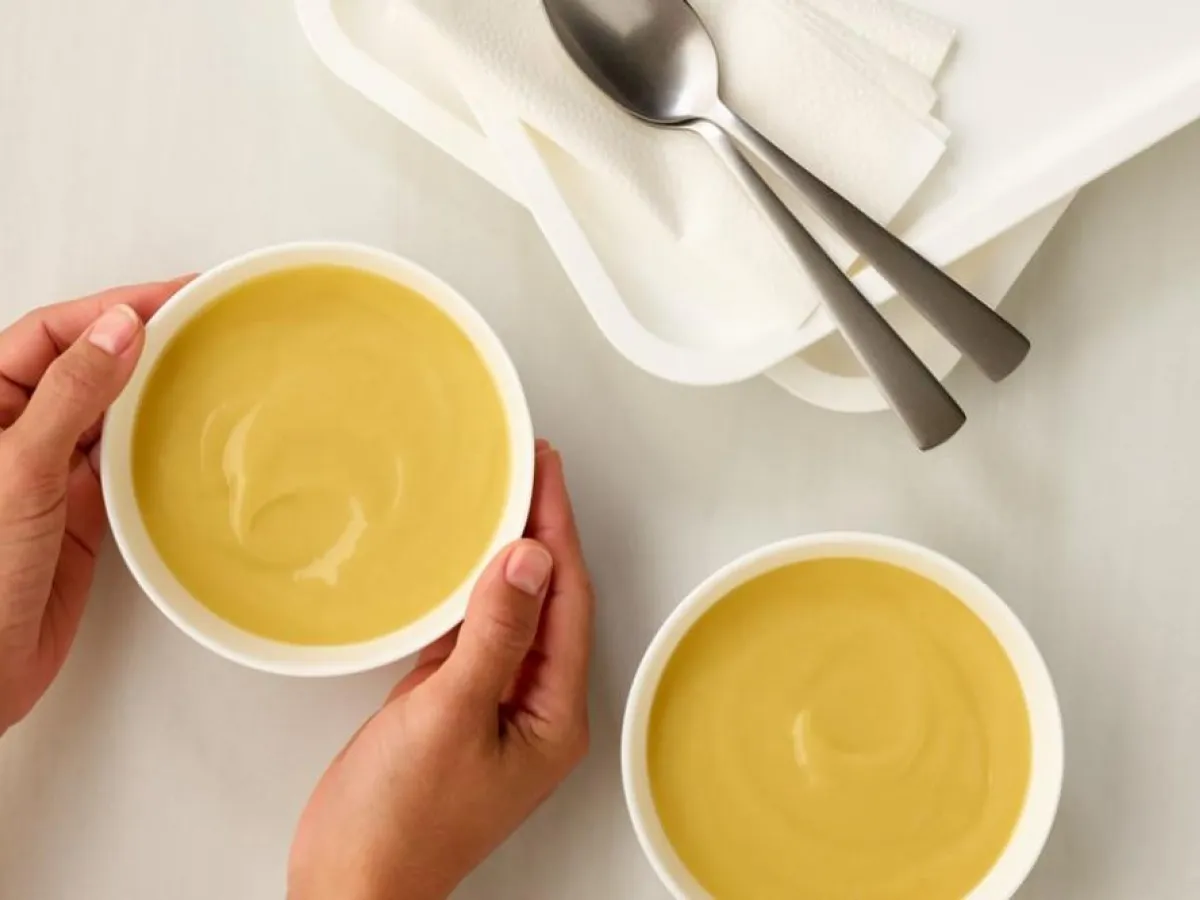
When developing thickened drinks and texturemodified foods, food manufacturers face more challenges than simply raising viscosity. Products must deliver uniform texture, acceptable
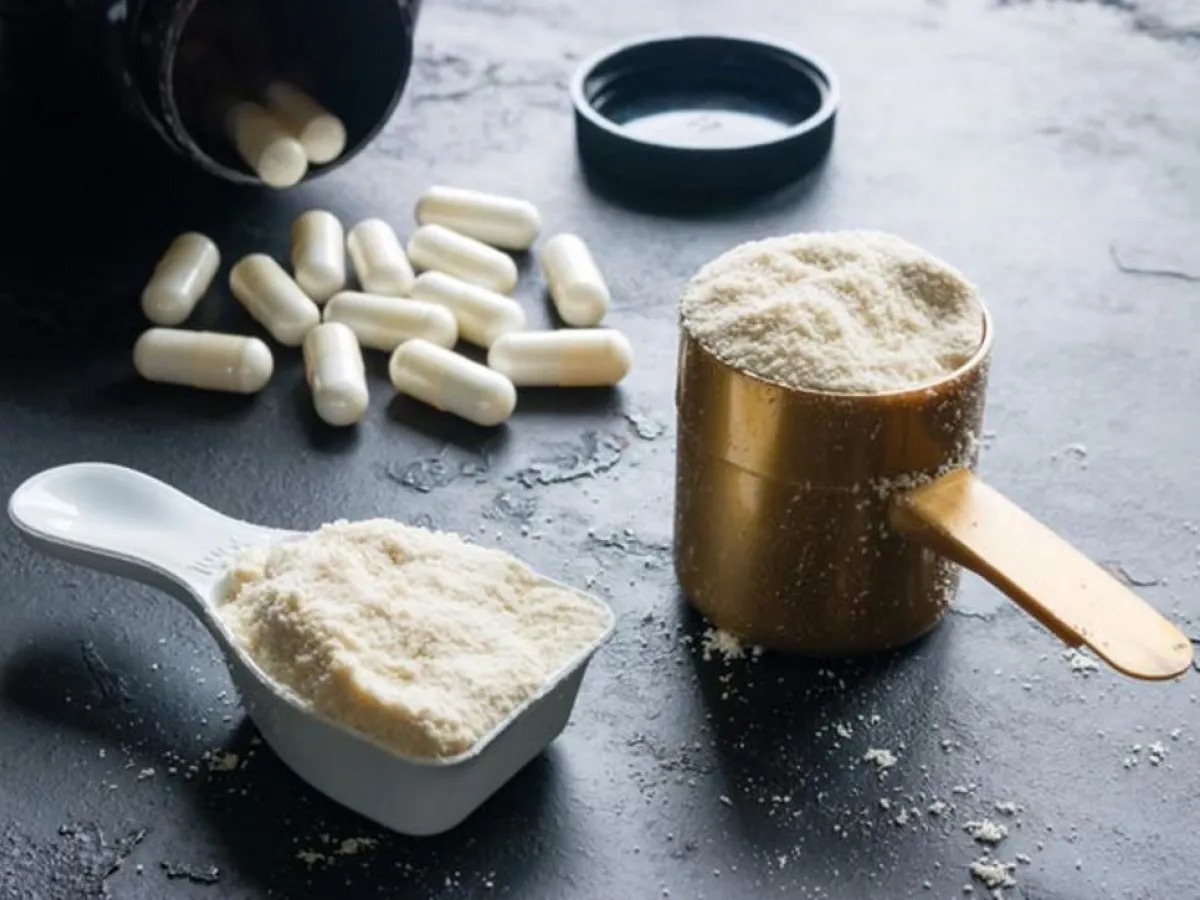
Upon contact with gastric acid, sodium alginate forms a gentle hydrogel that delays gastric emptying and prolongs the feeling of fullness. This helps stabilize post-prandial blood
Beauty beverages place demanding requirements on the solubility and sensory performance of raw materials. Nourisi® Tilapia Collagen Peptides have a viscosity of only 3–10 cP in a 1
How do you keep protein particles suspended in a high-acid, high-heat environment? The answer lies in High Methoxyl (HM) pectin.
Curdlan gum is a β -1, 3-glucan with a triple helix structure that can specifically bind to the Dectin-1 receptor on immune cells, activate macrophages and dendritic cells, and pro
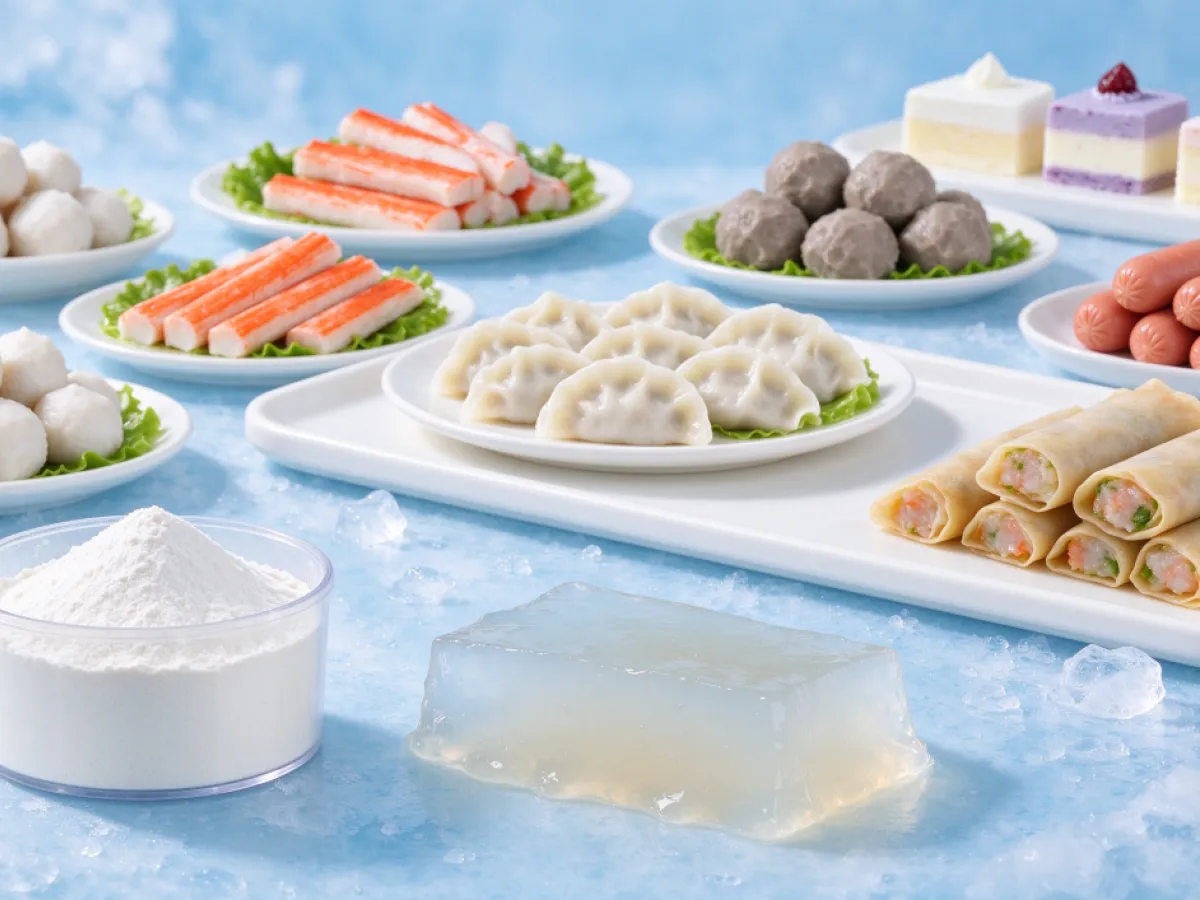
Excellent freeze-thaw stability Its formed gel structure resists damage during repeated freezing, storage and thawing. It effectively reduces water separation (syneresis), prevents
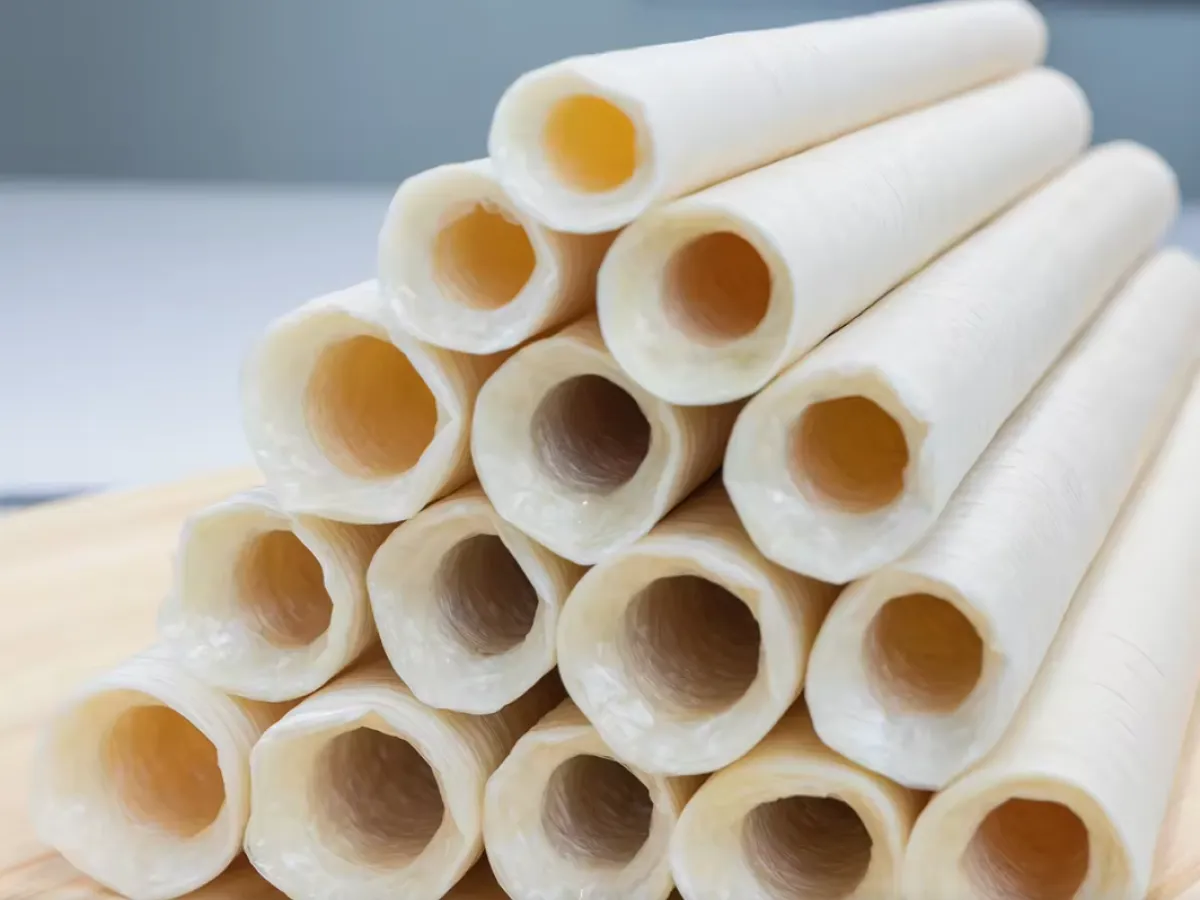
Collagen casings are the only manufactured casing that can be either edible or non-edible depending on formulation and intended end use. This dual nature is both an advantage and a
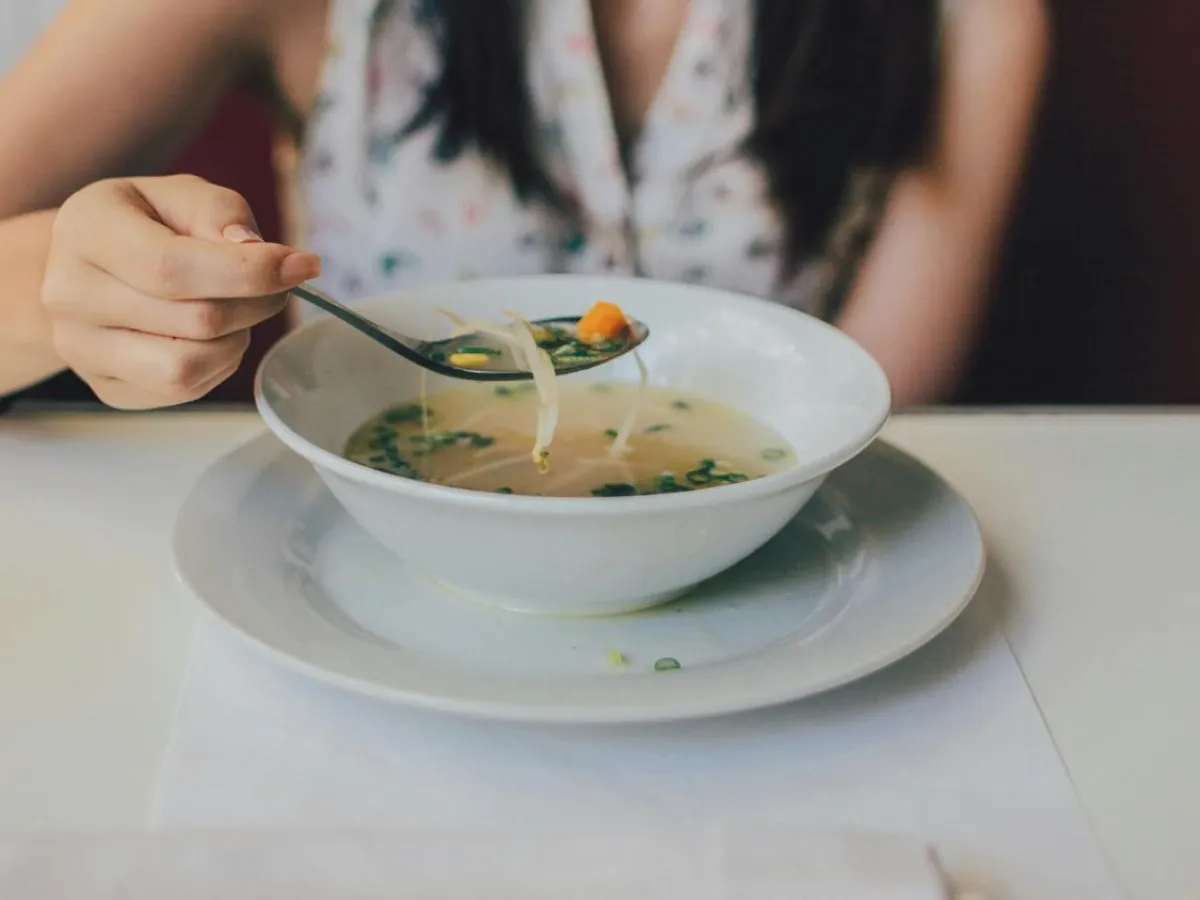
Porridges and soups are typical multi-phase systems: water, starches, proteins, and solid particles coexist. During heating, filling, sterilization, and storage, particles tend to